
Talno Gazette
Dark bedroom with soft natural light filtering through curtains onto a neatly made bed in the early morning hours
Sleep · Weight Balance · Circadian Research

Notes on a Rhythm.

An independent publication documenting the precise relationship between overnight recovery, circadian patterns, and daily weight balance. Evidence-informed. Editorial in register.

Read the Latest
Sleep Duration Analysis Circadian Weight Patterns Overnight Recovery Index Evening Nutrition Cadence Rest and Energy Balance Wind-Down Protocol Sleep Debt Observation Sleep Duration Analysis Circadian Weight Patterns Overnight Recovery Index Evening Nutrition Cadence Rest and Energy Balance Wind-Down Protocol
7–9
Hours: Documented Range
28%
Appetite Signal Variance
90
Min: Recovery Cycle Unit
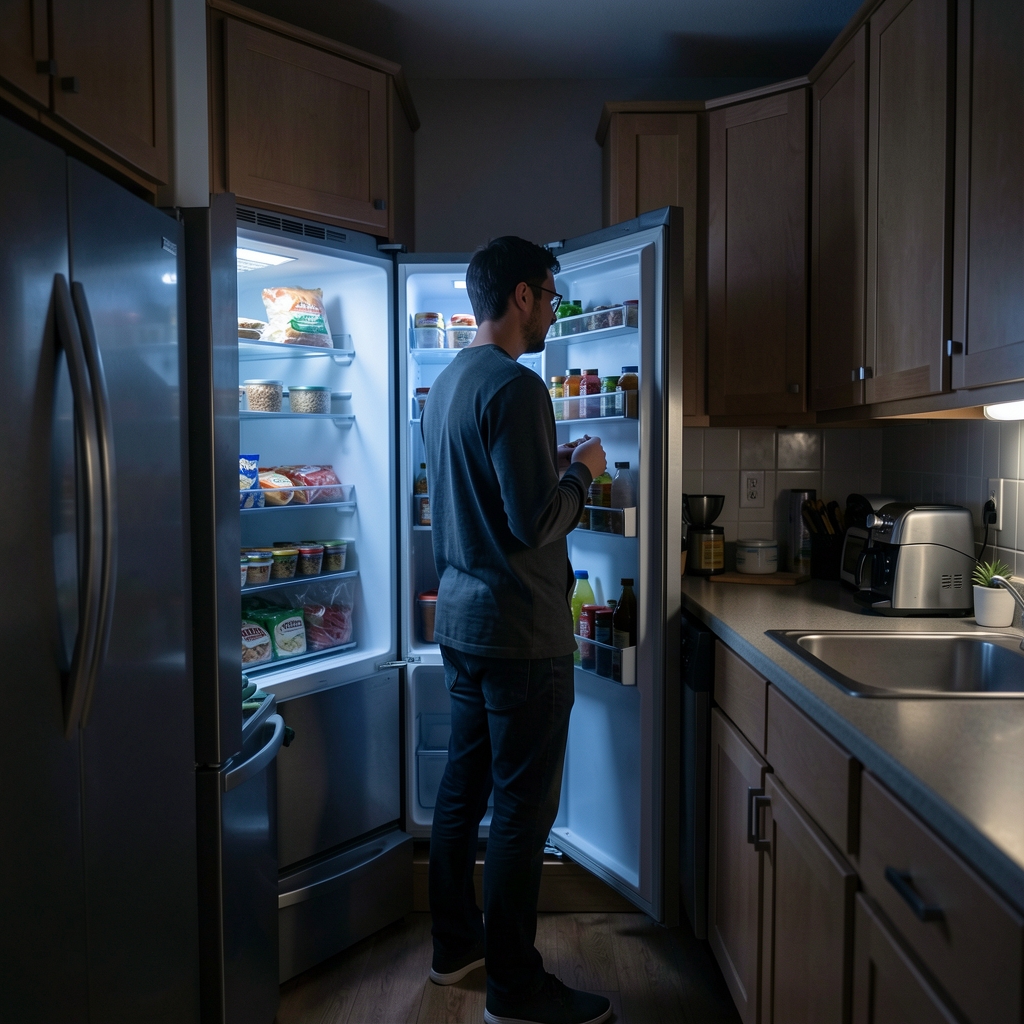
Greater Late-Night Intake
02 — Publication

Sleep as a Variable in Energy Balance

The Talno Gazette began as a field-notes archive for practitioners and engaged readers seeking precisely evidenced accounts of how overnight recovery intersects with daily weight patterns. Each article undergoes independent editorial review before publication.

Coverage spans circadian rhythm research, sleep duration studies, evening nutrition cadence, and the observable relationship between consistent sleep schedules and body composition over documented time periods.

About the Publication
Open editorial notebook on a dark wooden desk with a small potted plant and morning window light, representing the editorial research process
Fig. 01 — Editorial Process
03 — Research Areas

Documented Topics

Circadian Rhythm and Eating

The internal clock governs more than sleep onset. Published data illustrates its role in appetite timing, portion awareness, and the distribution of caloric intake across the waking day.

Sleep Quality and Metabolism

Documented research draws a consistent line between restorative sleep practice and basal metabolic efficiency. The mechanisms behind this connection are precise, if often under-reported.

Evening Nutrition Habits

From meal timing windows to the composition of the final intake of the day, evening nutrition habits interact with overnight recovery in ways that register across weekly weight measurements.

Night-Time Recovery

Overnight recovery encompasses measurable processes in energy regulation and lean mass retention. Sleep duration and its impact on morning energy levels is a recurring finding across published research.

Consistent Sleep Schedule

Regularity in the sleep-wake cycle produces a distinct pattern in the peer-reviewed literature: more consistent bedtime habits correspond with more stable weekly weight readings across multiple tracked cohorts.

Wind-Down Routine

The hour preceding sleep onset influences both sleep architecture and the body's readiness for overnight recovery. The Gazette examines structured wind-down practices through an evidence-informed editorial lens.

Sleep debt does not accumulate evenly. Its effects on appetite signalling, energy balance, and body composition follow a pattern that rewards documented observation over anecdote.
Talno Gazette Editorial Position — 2026
04 — Reference

Frequently Asked

Published research across multiple population studies identifies a consistent association between short sleep duration—defined as fewer than seven hours per night—and measurable shifts in energy balance. The relationship appears to be mediated by appetite-signalling pathways that are sensitive to the length and quality of the overnight recovery window.

The circadian rhythm governs the timing of internal biological processes, including appetite regulation. When the sleep-wake cycle is misaligned—through irregular schedules, shortened nights, or late-night eating patterns—the calibration of hunger and satiety signals across the day tends to shift in measurable ways, often increasing appetite during evening hours.

Sleep debt refers to the accumulated shortfall between an individual's documented sleep need and their actual sleep duration over a given period. Research examining sleep debt and hunger signals indicates that even moderate weekly shortfalls—two or three hours across five nights—can produce a measurable increase in appetite and cravings, particularly for energy-dense foods.

Longitudinal studies that track sleep schedule consistency alongside body composition measurements find a recurring pattern: participants who maintain a more regular sleep-wake cycle over periods of twelve weeks or longer show more stable weight readings than those with highly variable schedules, independent of caloric intake variables.

Each article submitted to the Gazette undergoes editorial review by a second editor before publication. Sources are cited where appropriate, and all claims are cross-referenced against published nutritional and sleep research. Writers disclose any commercial relationships that could influence their subject selection. The full process is documented on the Methodology page.

Articles published on Talno Gazette are editorial in nature and reflect the writers' observations on everyday wellness practices. The content is not intended as professional advice, nor as guidance for the management of any specific condition. Readers with specific concerns about their daily routines are encouraged to speak with a qualified wellness professional.